
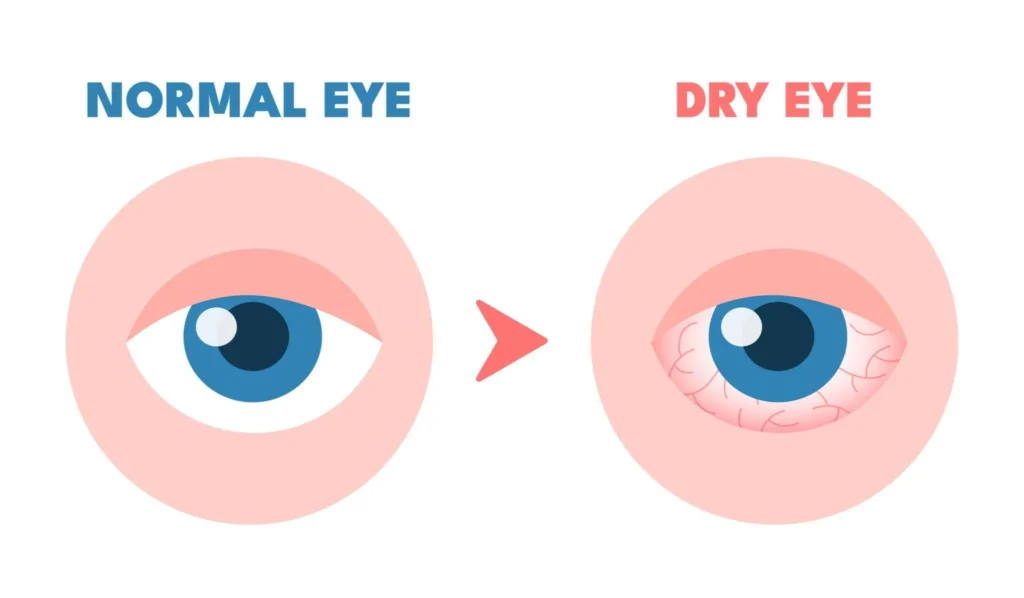
We’ve all been there — you catch a glimpse of yourself in the mirror and notice your eyes look more crimson than clear. Maybe they sting a little. Maybe they don’t bother you at all, but the redness is hard to ignore. Bloodshot eyes are one of the most common eye complaints people have, and in most cases, the fix is simpler than you’d think.
In this guide, we’ll walk you through what a red eye actually is, the most common red eye causes, when to take it seriously, and how to prevent it from happening in the first place.
Table of Contents
What Does “Red Eye” Actually Mean?
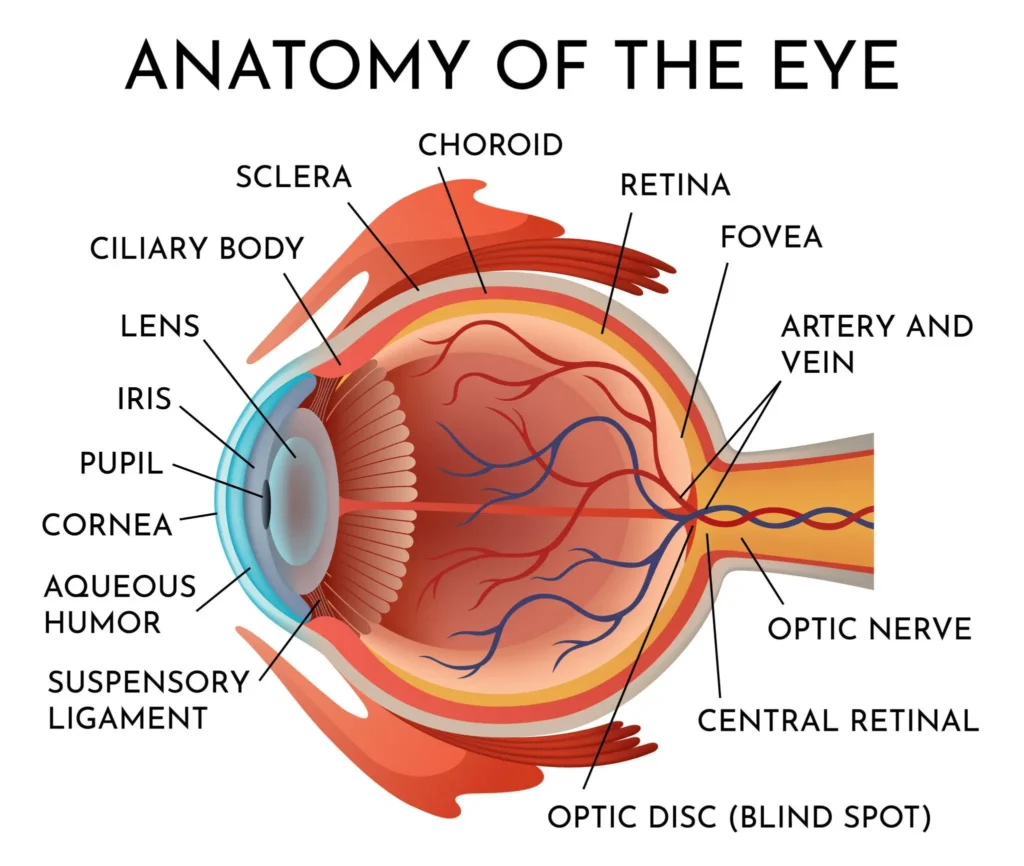
When we talk about red or reddened eyes, we’re referring to the visible enlargement or inflammation of tiny blood vessels on the surface of the eye — specifically the white part, called the sclera. These vessels expand when the eye is irritated, injured, or reacting to something in the environment.
The redness can affect one or both eyes, come on suddenly, or develop gradually over time. It might feel completely fine, or it might come with itching, dryness, discharge, or discomfort. Either way, it’s almost always your eye’s way of signalling that something needs attention.
When Should Reddened Eyes Concern You?
Mild redness that clears up within a day is usually harmless. But there are times when bloodshot eyes can point to something more serious.
Seek prompt medical attention if your red eyes are accompanied by:
- Significant eye pain or tenderness
- Sudden blurred or reduced vision
- Sensitivity to light
- Heavy eye discharge or crust forming around the eyelids
- Fever or general body aches alongside the eye redness
- Redness that hasn’t improved after a week or more
If you’re unsure, it’s always better to get it checked. An eye specialist can rule out anything serious and give you the right treatment.
Top 10 Red Eyes Causes You Should Know

1. Allergies
Pollen, dust mites, pet dander, mould spores — any of these can trigger an allergic reaction that inflames the blood vessels in your eyes. When your immune system responds to an allergen, it releases histamine, which causes the vessels to swell and the eyes to look red and feel itchy. Seasonal allergies are one of the most frequent bloodshot eye causes, particularly in spring and autumn.
2. Dry Eyes
When your eyes don’t produce enough tears, or when tears evaporate too quickly, the surface of the eye becomes dry and irritated — and redness follows. Dry eye is surprisingly common and is often made worse by air conditioning, prolonged screen use, dehydration, or contact lens wear.
3. Conjunctivitis (Pink Eye)
Conjunctivitis is an inflammation of the conjunctiva — the thin membrane lining your eyelid and covering the white of your eye. It can be caused by bacteria, viruses, or allergies, and typically causes noticeable redness, watering, and sometimes a sticky discharge. Viral conjunctivitis is highly contagious, so hygiene matters here.
4. Digital Eye Strain
If you spend most of your day in front of a screen — laptop, phone, or tablet — you likely blink far less than you should. Reduced blinking means the eye’s surface dries out, leading to irritation, fatigue, and eye redness. This is one of the fastest-growing red eye causes in modern life, especially for those who work long hours on screens without breaks.
What helps:
- Follow the 20-20-20 rule: every 20 minutes, look at something 20 feet away for 20 seconds
- Use blue light or computer glasses to reduce strain
- Keep your screen at a comfortable distance and brightness
5. Contact Lens Irritation
Wearing contact lenses for longer than recommended, using them with dirty hands, or failing to clean them properly can cause eye irritation and redness. Extended wear reduces the amount of oxygen reaching your cornea, making the eye more prone to inflammation and infection. Always follow your lens care routine, and never sleep in daily-wear lenses.
6. Blepharitis (Inflamed Eyelids)
Blepharitis is a condition where the edges of the eyelids become inflamed, usually due to a bacterial overgrowth or skin conditions like dandruff or rosacea. It causes redness, crusting around the lash line, and a burning or gritty sensation. It’s chronic in many people but manageable with good eyelid hygiene.
Managing blepharitis at home:
- Use a warm compress on the eyelids for 5–10 minutes daily
- Gently clean the eyelid margins with a mild cleanser
- Avoid eye makeup until flare-ups subside
7. Foreign Object or Eye Injury
Even a tiny eyelash or speck of dust landing on your eye can cause immediate redness and irritation as your eye tries to flush it out. More significant trauma — a scratch, chemical splash, or impact — can cause more severe bloodshot eyes that need urgent attention. If something is stuck in your eye and won’t come out with gentle blinking or rinsing, see a doctor promptly.
8. Uveitis
Uveitis is inflammation of the uvea — the middle layer of the eye that includes the iris, ciliary body, and choroid. It can cause a red, painful eye with blurred vision and light sensitivity. It’s sometimes linked to autoimmune conditions and requires proper medical diagnosis and treatment. This is not something to manage at home.
9. Glaucoma (Acute Angle Closure)
Acute angle-closure glaucoma is a medical emergency. It occurs when pressure inside the eye rises suddenly and dramatically. Along with a severely bloodshot eye, you may experience intense pain, headache, nausea, vomiting, and sudden vision loss. If you or someone around you experiences these symptoms together, get to an emergency eye unit immediately.
10. Environmental Irritants
Smoke, pollution, dust, chemical fumes, chlorine in swimming pools, and even strong winds can all irritate the eye and cause redness. These are often short-lived but repeated exposure — for example, working in a dusty or smoky environment without eye protection — can lead to ongoing irritation.
How to Treat Red Eyes: From Home Remedies to Medical Care
Most mild cases of bloodshot eyes can be managed without a doctor visit. The right approach depends on the cause.
Simple home remedies that help:
- Cold compress: A clean, cool cloth placed over closed eyes helps reduce inflammation and soothes irritation quickly
- Warm compress: For blepharitis or dry eyes specifically, warmth helps unclog the oil glands in your eyelids and improves tear quality
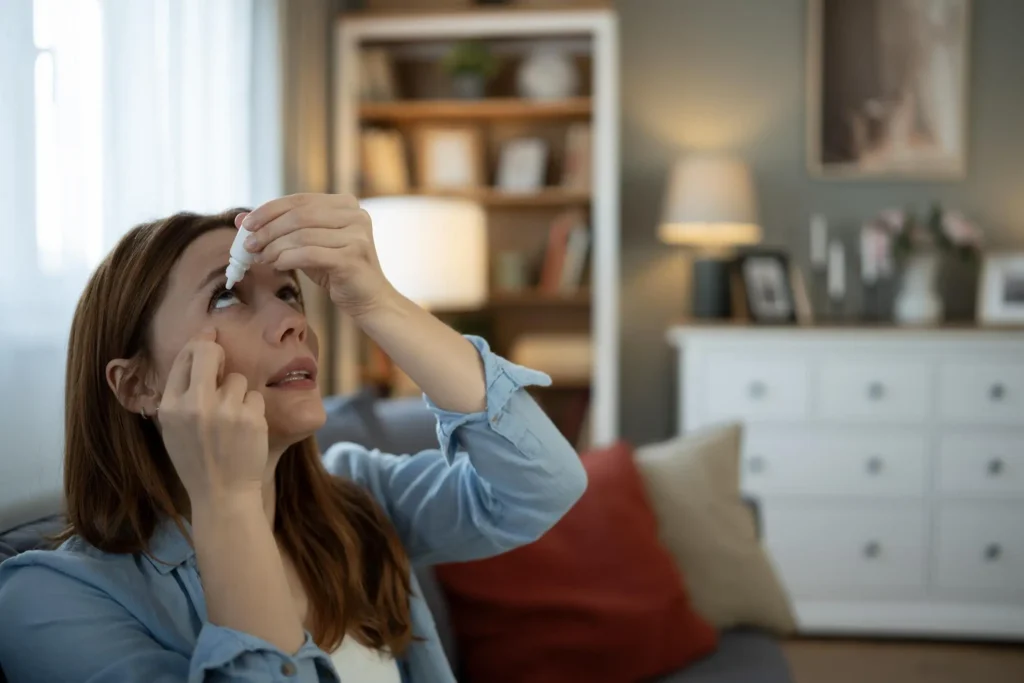
- Artificial tears: Over-the-counter lubricating eye drops provide immediate relief for dry or irritated eyes
- Screen breaks: If digital eye strain is the culprit, stepping away from screens and resting your eyes can make a visible difference within hours
- Stay hydrated: Proper hydration supports healthy tear production
For infections like bacterial conjunctivitis, a doctor may prescribe antibiotic eye drops. Inflammatory conditions such as uveitis often require steroid-based medication. Never self-prescribe prescription drops, as using the wrong treatment can make things worse.
How to Prevent Red Eyes
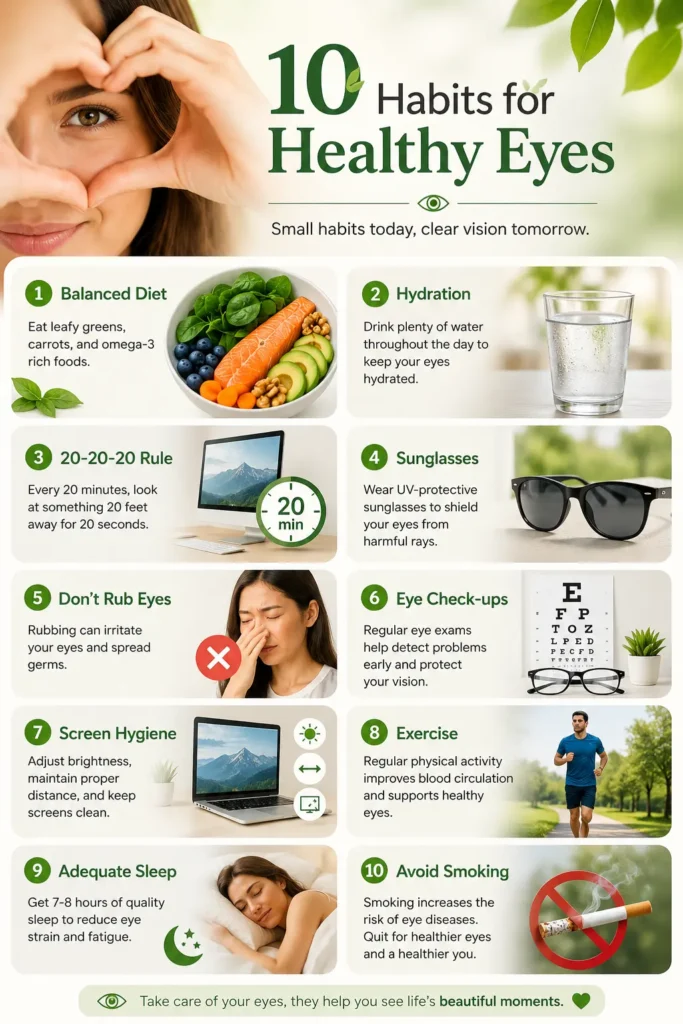
Prevention is often more effective than treatment. A few simple habits can significantly reduce how often your eyes turn red.
- Wash your hands thoroughly before touching your face or eyes
- Never rub your eyes — it introduces bacteria and worsens inflammation
- Remove contact lenses before sleeping and clean them properly every day
- Wear protective eyewear in dusty, smoky, or chemical-heavy environments
- Take regular breaks when working on screens — your eyes need rest too
- Remove eye makeup fully before bed, and replace mascara and eyeliner regularly
- Manage known allergies with antihistamines or allergy eye drops during peak seasons
- Stay hydrated and get enough sleep — both directly impact eye health
In Summary
- Red eyes happen when the blood vessels on the eye’s surface enlarge due to irritation, infection, or injury
- The most common causes include allergies, dry eyes, digital eye strain, conjunctivitis, and contact lens issues — all manageable with the right steps
- Less common but more serious causes like uveitis and glaucoma require immediate medical attention
- Most mild cases respond well to rest, cold compresses, and lubricating drops
- Prevention is straightforward: good hygiene, screen breaks, proper lens care, and eye protection go a long way
- Always see an eye specialist if redness is accompanied by pain, vision changes, or doesn’t improve within a week
- Protecting your eyes every day — including choosing the right eyewear — is one of the best investments you can make in your long-term vision health
At Intersellermart, we believe good vision starts with the right protection. Explore our range of eyewear at shop.intersellermart.com — from UV-protective sunglasses to computer glasses designed to reduce digital eye strain.
Frequently Asked Questions
Why are my eyes red when I wake up in the morning? Morning redness is usually caused by reduced tear production during sleep, especially if you sleep with a fan or air conditioning on. Your eyes dry out overnight, and the irritation causes visible redness when you wake up. Using a lubricating eye drop before bed can help.
Can stress or lack of sleep cause bloodshot eyes? Yes, both. Poor sleep reduces the eye’s ability to recover overnight, and chronic stress can reduce tear production, leading to dry, irritated, and reddened eyes. Ensuring 7–8 hours of sleep is one of the simplest ways to keep your eyes healthy.
Are bloodshot eyes contagious? Not by themselves — redness is a symptom, not a condition. However, if the underlying cause is viral or bacterial conjunctivitis, that infection is highly contagious. Avoid touching your eyes, wash your hands frequently, and avoid sharing towels or pillowcases.
Is it safe to use redness-relief eye drops every day? Over-the-counter redness-relief drops that contain vasoconstrictors (the ingredient that “whitens” the eye) should not be used daily for extended periods. They can cause a rebound effect, where eyes become even redder once the drops wear off. Lubricating artificial tears are generally safe for daily use — always check with a pharmacist or eye doctor if unsure.
Can wearing the wrong glasses prescription cause red eyes? Yes, indirectly. Wearing the wrong prescription forces your eyes to work harder to focus, leading to eye strain, headaches, and fatigue — all of which can contribute to irritation and redness. Getting your prescription checked annually is worth it.
What is the difference between a red eye and a bloodshot eye? The terms are often used interchangeably. Technically, “bloodshot” refers specifically to the visible, dilated blood vessels on the white of the eye, while “red eye” is a broader term that can include any redness of the eye or eyelids. In most everyday contexts, they describe the same thing — an eye that looks redder than normal due to vessel inflammation.