

Most people spend more time choosing a new phone than they do choosing their glasses. And yet glasses sit on your face for anywhere between 12 and 16 hours a day. They shape how clearly you see the world, how comfortable you feel by mid-afternoon, and yes — how you present yourself to everyone around you.
Budget eyewear has its place. But if you’ve ever dealt with frames that bent out of shape within months, lenses that scratched from a single wipe, or glasses that left pressure marks on your nose by lunchtime, you already know the cost of cutting corners. Cheap glasses don’t just wear out faster — they can actively compromise your vision, your eye health, and your day-to-day comfort.
Investing in premium eyewear is one of those decisions that pays you back every single day you wear them. Here’s why.
Table of Contents
Superior Lens Quality That Actually Corrects Your Vision
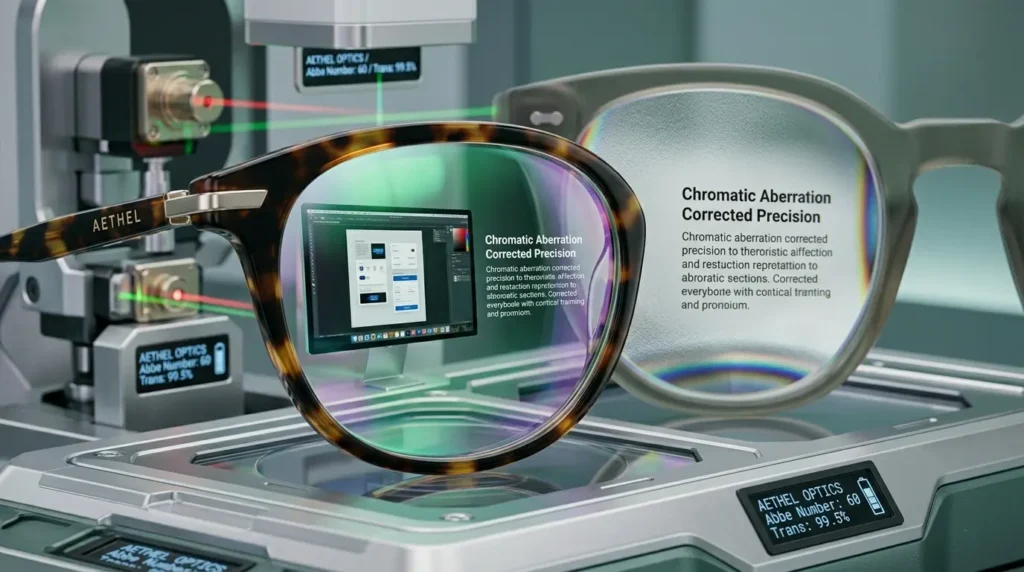
The lens is the most important component of any pair of glasses — and it’s also where budget eyewear cuts the most corners.
Premium lenses are precision-crafted using advanced digital manufacturing to match your exact prescription. The tolerances are tighter, the optics are cleaner, and the result is noticeably sharper, more accurate vision — particularly at the edges of the lens where distortion tends to creep in with lower-quality alternatives.
Beyond prescription accuracy, high quality eyeglasses come with lens treatments that make a real difference:
- Anti-reflective coating — Reduces glare from screens, headlights, and overhead lighting so your eyes work less and see more
- UV protection — Blocks UVA and UVB rays directly within the lens material, not just as a surface coating that degrades over time
- Blue light filtering — Eases digital eye strain for anyone spending hours in front of screens
- Anti-scratch and anti-smudge technology — Keeps lenses clearer for longer and reduces the frequency of replacement
- Thinner, lighter materials — High-index lenses at premium price points are significantly lighter than standard plastic, even at stronger prescription powers
Cheap sunglasses are a particular trap. Many darken your vision without actually filtering UV light — meaning your pupils dilate and let in more damaging radiation than if you hadn’t worn them at all. Premium lenses embed UV protection into the material itself, giving you protection you can rely on.
Frames Built to Last — and Built Better
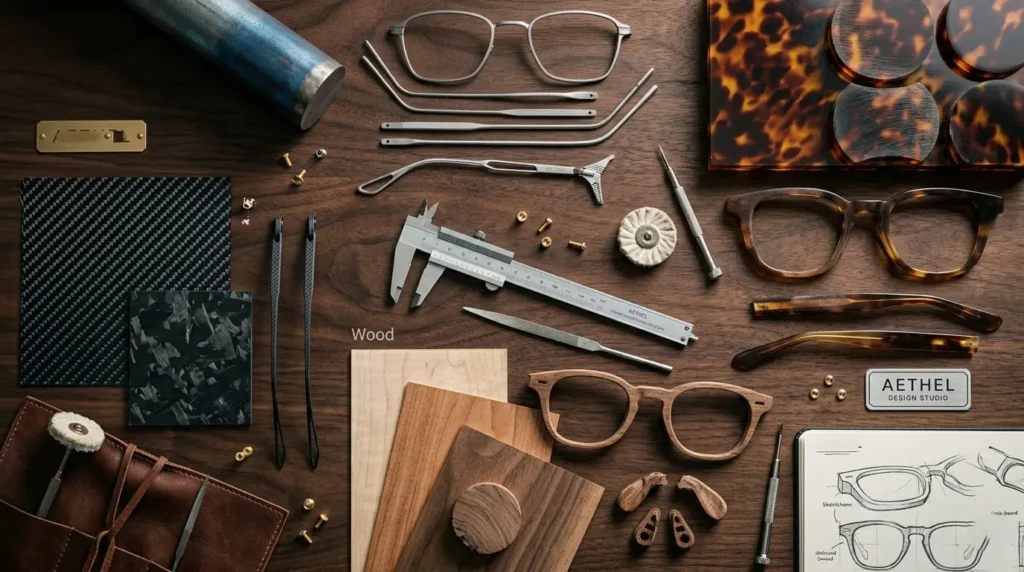
Your frames carry your lenses through everything — early mornings, long commutes, workouts, travel, and the occasional accidental drop. The material quality of the frame determines whether they survive all of that gracefully or end up bent, faded, or snapped within a year.
Premium eyewear brands use materials that simply aren’t found in budget ranges:
- High-grade acetate — Durable, lightweight, and resistant to fading or warping over time. Holds its colour and shape far longer than standard plastic
- Titanium — Exceptionally strong yet remarkably light. Corrosion-resistant and ideal for people with sensitive skin or metal allergies
- Carbon fibre — Lighter than aluminium but tougher than many metals, used in high-performance and sport-oriented frames
- Sustainably sourced wood and natural materials — Unique, eco-conscious, and finished to resist moisture and daily wear
The craftsmanship behind quality glasses frames also matters. Many luxury eyewear manufacturers hand-finish their frames, inspect hinges individually, and apply multiple coats of treatment before a pair ever reaches the shelf. That level of attention to detail shows — not just in how the glasses look, but in how they hold up over time.
All-Day Comfort You Can Actually Feel

Comfort is one of the most underrated aspects of durable eyewear — and one of the first things budget glasses sacrifice.
Frames that pinch the bridge of your nose, temples that dig behind your ears, or glasses that slide down throughout the day don’t just cause inconvenience. They cause real discomfort: headaches, skin irritation, and the kind of low-grade fatigue that builds up over a long day of wear.
Premium glasses are designed with weight distribution and ergonomics as genuine priorities. Features that are standard in quality eyewear — adjustable silicone nose pads, spring-loaded hinges that flex with movement, balanced temple arms — are largely absent from budget frames. The result is eyewear that sits correctly, stays in place, and genuinely disappears from your awareness while you wear it.
If you wear your glasses for more than a few hours a day, comfort isn’t a luxury — it’s essential.
Protecting Your Eye Health for the Long Term

Glasses aren’t just a vision correction tool. The right pair actively protects your eyes from damage that accumulates over years of exposure.
UV radiation is the most significant long-term concern. Cumulative UV exposure over a lifetime raises the risk of cataracts, macular degeneration, and damage to the cornea. Many budget sunglasses tint the lens without offering meaningful UV protection — making them aesthetically functional but medically ineffective.
Prescription glasses quality also affects eye strain and fatigue. Inaccurate lenses, even slightly off from your correct prescription, force your eye muscles to compensate constantly — contributing to headaches, tired eyes, and in some cases worsening visual acuity over time. Precisely manufactured lenses from reputable premium eyewear brands eliminate this risk.
For screen users, the combination of anti-reflective coating and blue light filtering in premium lenses tangibly reduces the symptoms of digital eye strain: dryness, blurred vision, and the headaches that arrive reliably by early evening.
Style That Reflects Who You Are

Glasses are one of the most visible accessories you wear. Unlike jewellery or shoes that come on and off, your glasses are on your face — front and centre — in every meeting, every conversation, and every photograph.
Premium eyewear gives you access to designs, colourways, and materials that genuinely don’t exist at the lower end of the market. Whether you prefer the clean minimalism of titanium wire frames, the bold texture of hand-polished acetate, or the effortless elegance of a classic silhouette from a heritage brand, quality eyewear lets your glasses do more than correct your vision — they complete your look.
Style here isn’t about vanity. Glasses that fit your face well, suit your features, and feel like an extension of your personal aesthetic are ones you’ll wear confidently every day. That confidence is part of the return on investment.
Long-Term Value That Makes Financial Sense
The sticker price of premium eyewear can feel steep. But it’s the wrong number to look at in isolation.
The better calculation is cost per wear. A well-made pair of prescription glasses from a quality brand, worn daily for three to five years, works out to a fraction of the cost per day compared to replacing cheaper glasses every twelve to eighteen months. Add in the costs of headaches, eye strain, and optical appointments prompted by inaccurate budget lenses, and the economics shift further still.
Designer glasses worth it? The question answers itself when you factor in longevity, accuracy, and the absence of recurring replacement costs. Durable eyewear is a genuinely smart long-term spend.
The Experience Behind the Product
One aspect of premium eyewear that rarely makes the headline benefits — but matters enormously — is what comes with it.
When you invest in quality eyewear from a trusted source, you’re not just buying frames and lenses. You’re buying:
- Expert fitting — Properly fitted glasses aren’t just more comfortable; they perform better optically, because the lens sits exactly where it should in front of your eye
- Professional lens pairing — A trained optician matches your prescription to the right lens type, material, and coating for your lifestyle, not just the cheapest available option
- Aftercare and adjustments — Premium eyewear retailers stand behind what they sell. Adjustments, re-fittings, and lens upgrades don’t require starting from scratch
- Warranty and repair support — Quality frames come with guarantees. When something goes wrong — and occasionally it will — you have somewhere to go
- Long-term relationship — The best eyewear retailers know your prescription history, your face, and your preferences. That knowledge compounds over time into better recommendations and better-fitting glasses
Buying premium eyewear from an unauthorised retailer undermines most of these advantages. The frames may look identical but lack genuine UV protection or quality-controlled lens pairing. Always purchase from an authorised source.
In Summary
- Premium lenses are precision-manufactured to your exact prescription, delivering sharper vision and genuine UV protection embedded in the material — not just applied as a surface coating
- Quality frames use materials like titanium, high-grade acetate, and carbon fibre that outlast budget alternatives by years, not months
- Comfort in well-made eyewear is the result of deliberate ergonomic design — weight balance, spring hinges, and adjustable nose pads that budget frames don’t include
- Eye health protection is a genuine, long-term benefit: accurate lenses prevent eye strain, and real UV protection lowers the risk of cataracts and macular degeneration over time
- Style from premium eyewear goes beyond aesthetics — glasses that fit and suit you are ones you wear confidently, every day
- Cost per wear makes premium eyewear a financially rational decision; eyewear that lasts three to five years costs far less per day than replacing cheap frames annually
- The full purchase experience — fitting, aftercare, adjustments, and warranty — is part of what you’re buying, and it adds real ongoing value throughout the life of your glasses
- At Intersellermart, we offer a curated selection of quality eyewear worth wearing every day. Explore our range at shop.intersellermart.com
Frequently Asked Questions
How do I know if my current glasses are giving me accurate vision correction? The clearest signs of inaccurate lenses are persistent headaches, eye strain that builds throughout the day, squinting to see clearly through lenses you’ve recently received, and visual fatigue. If any of these are familiar, it’s worth having your prescription checked and your lenses verified by a qualified optician. Inaccurate prescription lenses — common with low-cost eyewear — force your eye muscles to compensate constantly, which takes a real toll over time.
What frame material is best for long-term durability? Titanium is widely considered the most durable everyday frame material. It’s corrosion-resistant, extremely strong, and significantly lighter than most alternatives. High-grade acetate is the most durable option for full plastic frames. For sports or active wear, carbon fibre frames offer exceptional strength-to-weight performance. The right choice depends on your lifestyle, aesthetic preference, and whether you have skin sensitivities.
Is there a visible difference in lens clarity between budget and premium glasses? Yes — particularly at the lens edges and in low-light conditions. Premium lenses are manufactured with tighter optical tolerances, meaning distortion, chromatic aberration, and edge blurring are significantly reduced. Anti-reflective coating, which comes standard on most premium lenses, also dramatically improves visual clarity in artificial lighting and at night compared to uncoated budget lenses.
How long should a good pair of glasses last? A well-made pair of premium glasses — with quality frames and durable lens coatings — should last three to five years with proper care, and often longer. The frames themselves may last even longer; the lenses typically need replacing when the prescription changes or the coating begins to degrade. Budget frames often show visible wear — bent hinges, faded acetate, scratched lenses — within twelve to eighteen months of regular use.
Does premium eyewear come with a warranty? Most reputable premium eyewear brands and authorised retailers offer some form of warranty on frames, typically covering manufacturing defects. Some extend to lens coating guarantees. Coverage, duration, and what’s included varies by brand and retailer. Always ask about aftercare, adjustment services, and repair support before purchasing — a good retailer stands behind what they sell long after the transaction.
What’s the difference between UV coating and UV protection built into the lens? UV coating is applied to the surface of the lens as a transparent layer. It provides protection but can degrade over time with cleaning, scratching, and general wear. UV protection built into the lens material — standard in polycarbonate and premium high-index lenses — is structural and permanent. It doesn’t diminish with use. For anyone spending significant time outdoors, lens-integrated UV protection is the more reliable long-term option.